
Sub-Total: $0.00
What About Water
Water quality, including pH, plays a big role in how our hair and skin feel.
What’s up with Water, pH, and Healthy Hair and Skin
Water is one of the most essential elements for our bodies, but not all water is created equal. The pH and mineral content of the water you use every day can make a big difference in the health and appearance of hair and skin.
The term pH stands for the “potential of hydrogen,” and it measures how acidic or alkaline a substance is on a scale of 0 to 14.
A reading below 7 means the water is acidic.
- A reading of 7 is neutral, which is typical for pure water.
- A reading above 7 means the water is alkaline or basic.
Most tap water is between 6.5 and 8.5, depending on its source and treatment. While this doesn’t seem like a big deal-
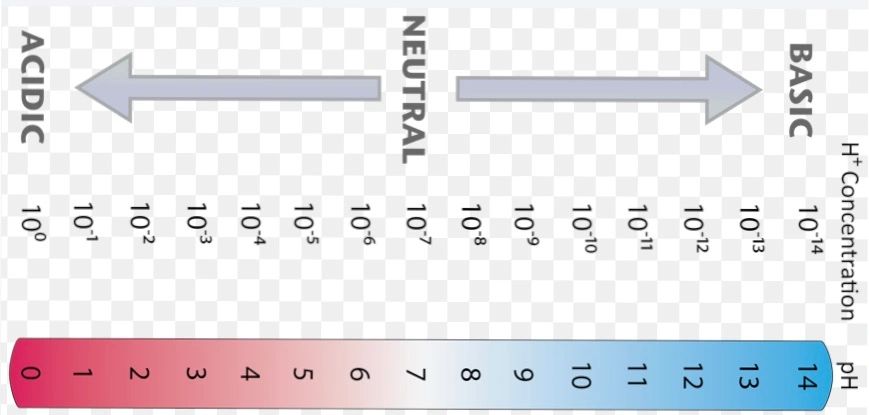
Each increase is an increase in strength: pH5 is 5 times stronger than pH 4 or you can think 4pH is 40,000 and 5pH is 500,000 SO MUCH STRONGER
How Water pH and Hardness Affect Hair
Hair has a natural pH of around 4.5 to 5.0, similar to skin. If you use water that’s too alkaline or hard (high in calcium and magnesium), you might notice your shampoo doesn’t lather well, your hair feels dull, or your scalp becomes itchy. Over time, mineral buildup can weigh down hair and effect color, highlights and perms.
Soft or slightly acidic water helps close the hair cuticle, leaving strands smoother, shinier, and easier to manage. That’s why some people notice a major difference when they travel or use a shower filter — the water’s composition changes how their hair responds.
TRY
- Use a shower filter. Filters remove minerals, chlorine, and contaminants that can irritate skin and damage hair.
- Use Shampoos and Conditioners with a ph between 4.0-5.5
- Test your water. Simple pH test kits or local water reports can show you exactly what you’re dealing with.

What Happens When
When two solutions with different pH values mix, acids (sources of hydrogen ions) and bases (which accept hydrogen ions) partially cancel each other.
- If you add an acidic product (low pH) to neutral or slightly alkaline water, the final mixture becomes more acidic than the original water.
- If you add an alkaline product (high pH) to neutral or slightly acidic water, the final mixture becomes more alkaline than the original water.
The degree of change depends on how much product you add, its strength, and whether either the water or product is buffered (formulated to resist pH change).
- Natural waters that contain carbonate minerals can “buffer” added acids or bases, keeping the pH closer to neutral despite small additions.
- Many skincare and cosmetic products are also formulated with buffering systems so that their pH stays relatively stable even when diluted with water, though some shift still occurs.
What this means is
So, water pH does change when it interacts with a different‑pH product, but the final pH is a blend that depends on both their pH values and how much buffering and dilution are involved.
Finally
Water does more than just clean — it interacts with your body’s chemistry in subtle but powerful ways. Pay attention to your water’s pH and hardness, and making a few small adjustments, you can help your skin and hair look and feel their best every day.
