Sub-Total: $0.00
Hair Care
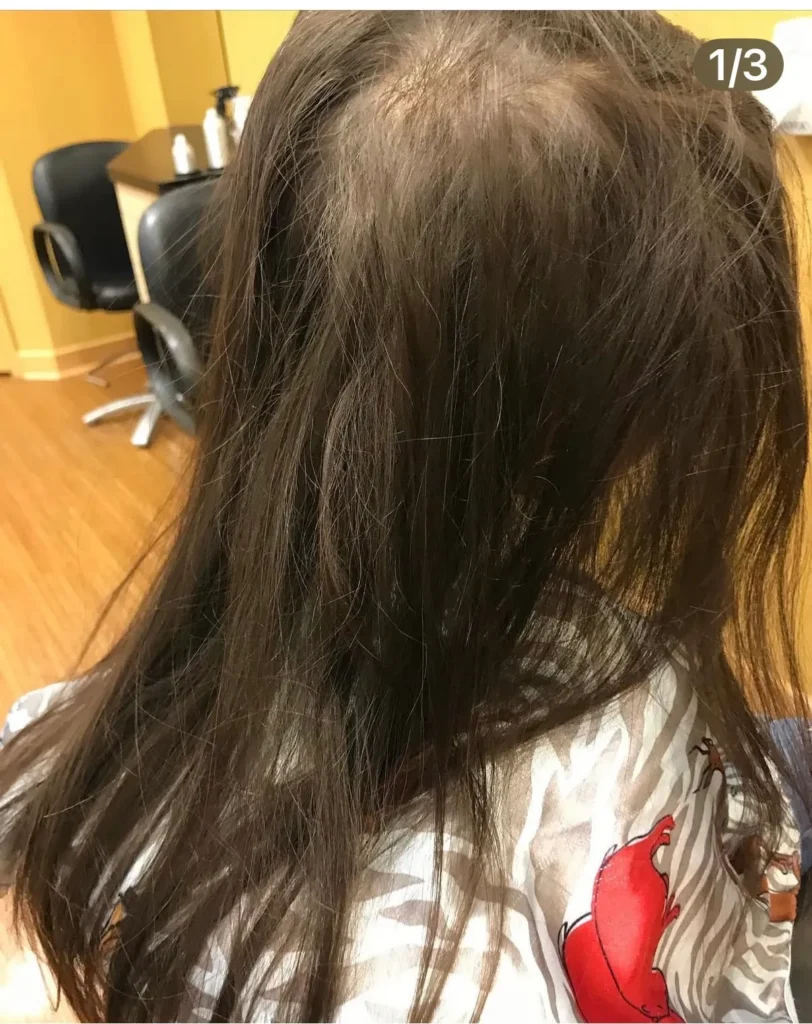
Fine hair can be healthy, bouncy, and full—if you respect its unique structure and avoid weighing it down. Understanding Fine Hair Fine hair refers to the diameter of each strand, not how much hair you have. You can have fine…
What is the difference between hair Bonders and Reconstructors Bond builders mainly repair internal chemical bonds (especially disulfide bonds) inside the cortex, while reconstructors mainly replenish and reorganize structural proteins and amino acids to rebuild the hair’s protein matrix. What…
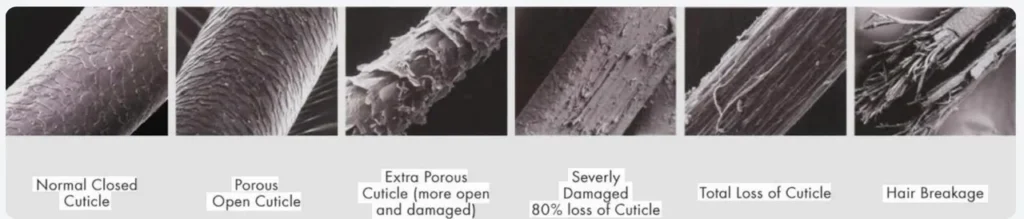
Damaged hair progresses from cuticle degradation (dryness, frizz, dullness) to cortex exposure (breakage, split ends, high porosity). Early stages involve loss of moisture, while advanced damage causes structural, irreversible weakness. Key signs include a rough, straw-like texture, tangling, lack of…
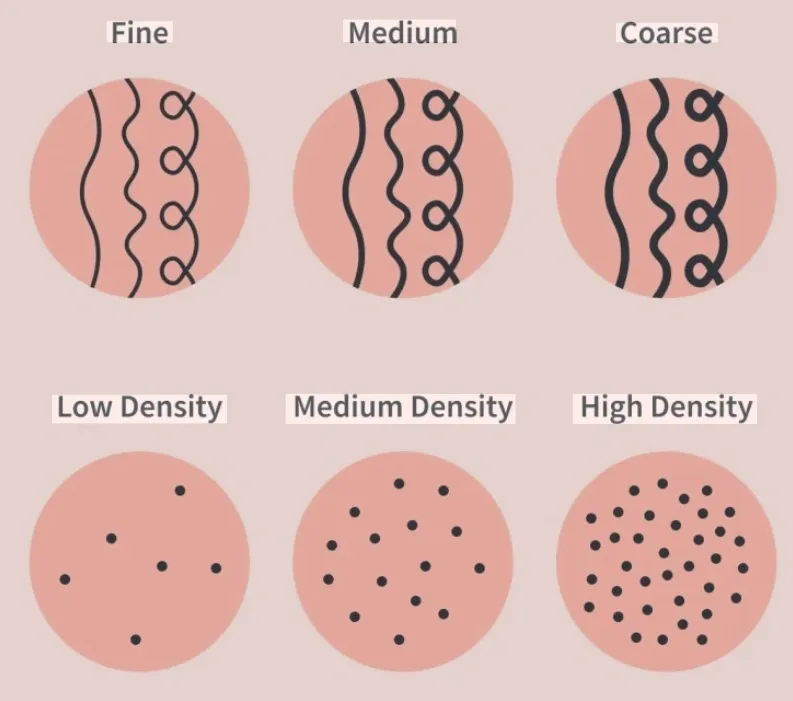
Hair texture usually means the thickness of each individual strand (fine, medium, coarse), but in everyday language people also use it to mean the overall pattern (straight, wavy, curly, coily). Texture vs type vs other traits Texture (strand diameter): Fine,…
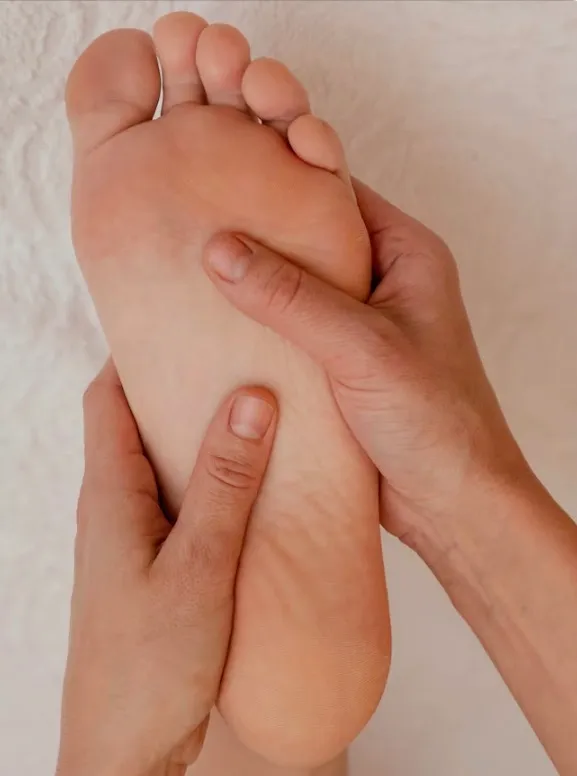
Traditional reflexology (as commonly practiced via the Ingham‑style approach) and the Dr. Manzanares Method differ strongly in theory, assessment, mapping precision, and treatment style. Develops from early zone therapy and Eunice Ingham’s mapping of the body on the feet in…

Water quality, including pH, plays a big role in how our hair and skin feel. What’s up with Water, pH, and Healthy Hair and Skin Water is one of the most essential elements for our bodies, but not all water…
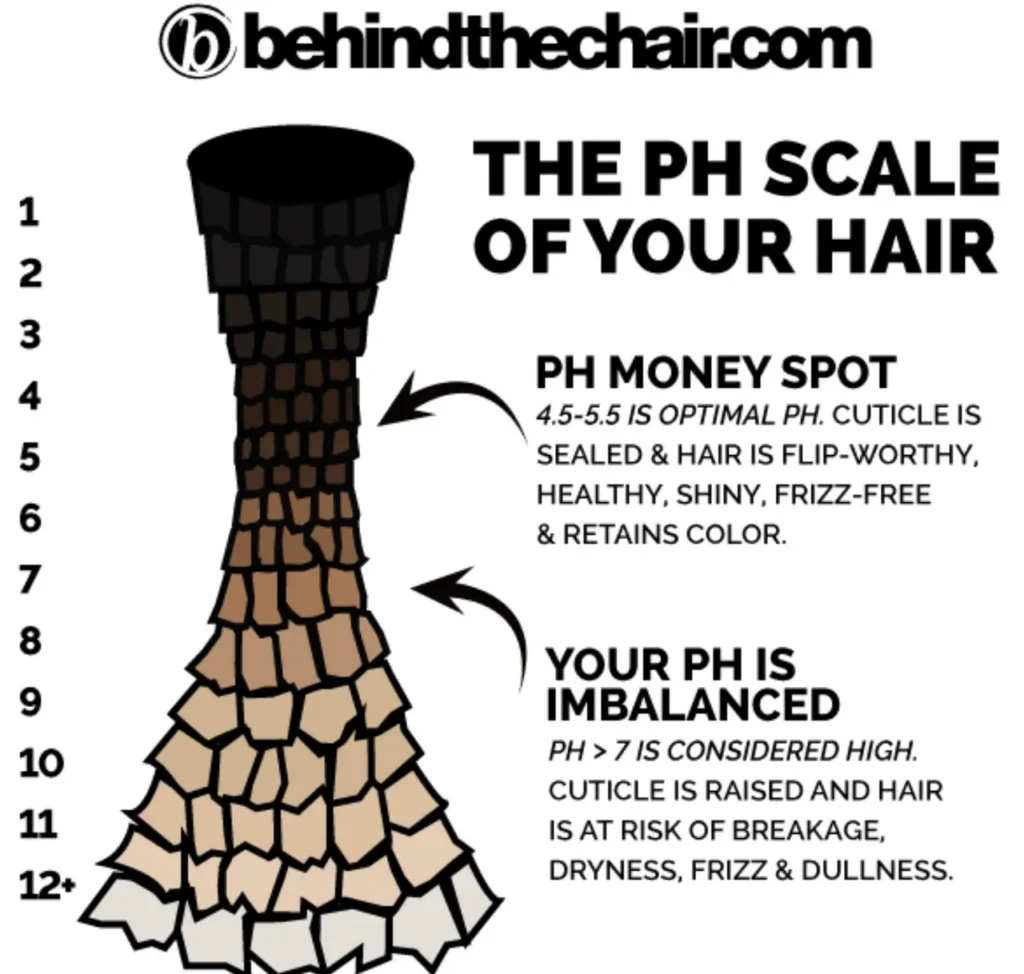
Think of pH for your hair as a way to understand how acidic or alkaline your scalp and hair are. Keeping it a little on the acidic side helps your hair stay strong, shiny, and healthy. We are taught this…